
Scientific Reports. 14 (1): 29035. Bibcode:2026NatSR..1429035G
페이지 정보
작성자 Luann 작성일 26-07-04 18:35 조회 3 댓글 0본문
 An alternative choice that would acquire steam is synthetic coffee, which is made with out beans. Arabica, robusta, or a mix of each coffee beans can be utilized to make on the spot coffee. And robusta, the second-most grown espresso selection on the planet, is gaining ground on arabica, from about 25% of global manufacturing in the early nineties to more than 45% at this time. HaNoi Coffee is crafted from 100% Vietnamese robusta, providing daring, intense flavor and a caffeine kick that’s good for severe coffee lovers. The dark roast produces a deep, chocolatey cup with a daring, lingering finish. The finish lacks dryness and bitterness. A selected sort of acidity; when a coffee’s finish gives a parched or dehydrated sensation in the mouth; shiny. A trace of a style sensation paying homage to advantageous, mature pink wine; wealthy, fruity essence; a taste high quality which derives from the contrast between a clean body and a fruit-like acidity.
 The wet process is said to make espresso style "clean" within the cup with an acidity that shines via with brightness. The fundamental process is the same as making Vietnamese espresso with a standard phin coffee maker. Despite belonging to the same genus (Coffea), robusta and arabica coffee have distinct differences in taste, aroma, and caffeine content material. This greater yield potential means much less land is required to produce the identical quantity of espresso, decreasing the deforestation, habitat loss, and soil degradation associated with the ever-rising coffee trade. A small amount of hot water is added to the coffee to make it bloom. This reduced water demand makes robusta cultivation extra sustainable, particularly in regions vulnerable to water scarcity and drought. The growing reputation of Philippine espresso has translated into stronger demand for native harvests, creating extra stable purchasing channels for farmers and cooperatives. They develop at lower altitudes (as much as 2600 toes) and are more resilient to temperature change, irregular rainfall, pests, and adversarial weather situations. Free radicals are unstable molecules that cause oxidative harm to cells, leading to inflammation, the "aging effect," and varied chronic diseases.
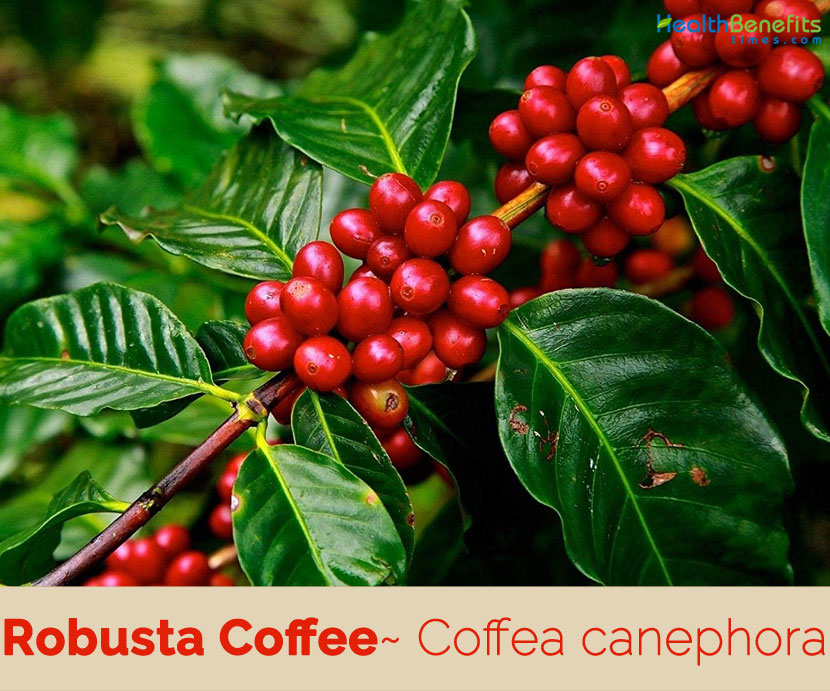
These compounds help get rid of free radicals in the human physique. A coffee’s physique could also be light or skinny, medium, full, or very full (e.g., buttery or syrupy). Coffee with a light physique, but not flat. Robusta coffee and arabica coffee come from two totally different espresso-producing plant species - Coffea canephora (commonly generally known as Coffea robusta) and Coffea arabica. Robusta is a species of flowering plant within the family Rubiaceae. Want to be taught more about Coffea robusta and different espresso-producing species? After 45 seconds, the chamber is crammed just under the brim with more sizzling water. Cold-brewed Vietnamese robusta coffee is made by steeping coarsely floor espresso beans in cold water for an prolonged interval, sometimes 12-24 hours. The deep, earthy, nutty flavors of robusta coffee mix well with a range of edible treats. C.canephora accommodates a variety of bioactive compounds together with caffeine, and polyphenols, which both contribute to its physiological and ecological features.
These compounds may assist protect the mind towards age-related cognitive decline and neurodegenerative diseases corresponding to Alzheimer's disease. Coffea robusta plants have pure defenses against pests and diseases. In 1927 a hybrid between robusta and arabica was present in Timor. Coffea robusta coffee beans are much smaller, rounder, and fewer uniform in form compared to Coffea arabica beans. Coffea robusta typically produces extra beans per acre in comparison with Coffea arabica plants. The high caffeine ranges in robusta coffee make it a promising candidate for supporting metabolic health, even more so than other sorts of espresso. Robusta is characterized by its strong, bitter taste with earthy, woody, and nutty notes. The darkish roast emphasizes earthy, nutty notes with a pronounced bitterness typical of premium robusta. Although not a direct benefit to private health and wellness, robusta coffee production is way less straining on the environment in comparison with arabica espresso production. Coffea robusta plants require considerably much less water compared to Coffea arabica plants. It's in everyone's interest to preserve the world for the long run, and switching from an arabica to a robusta mix may assist decelerate deforestation and soil degradation, reduce water usage, and eradicate chemical runoff and eutrophication.
댓글목록 0
등록된 댓글이 없습니다.