
Understanding the Hot Mix Asphalt Calculator: A Comprehensive Guide
페이지 정보
작성자 Shelton 작성일 26-06-03 07:22 조회 7 댓글 0본문
This is usually done by applying a standard depth (e.g., 2 inches) to the area. Calculation of Asphalt Weight: Since asphalt is sold by weight (typically in tons), the calculator will convert the area to be covered into an estimated weight of asphalt required.
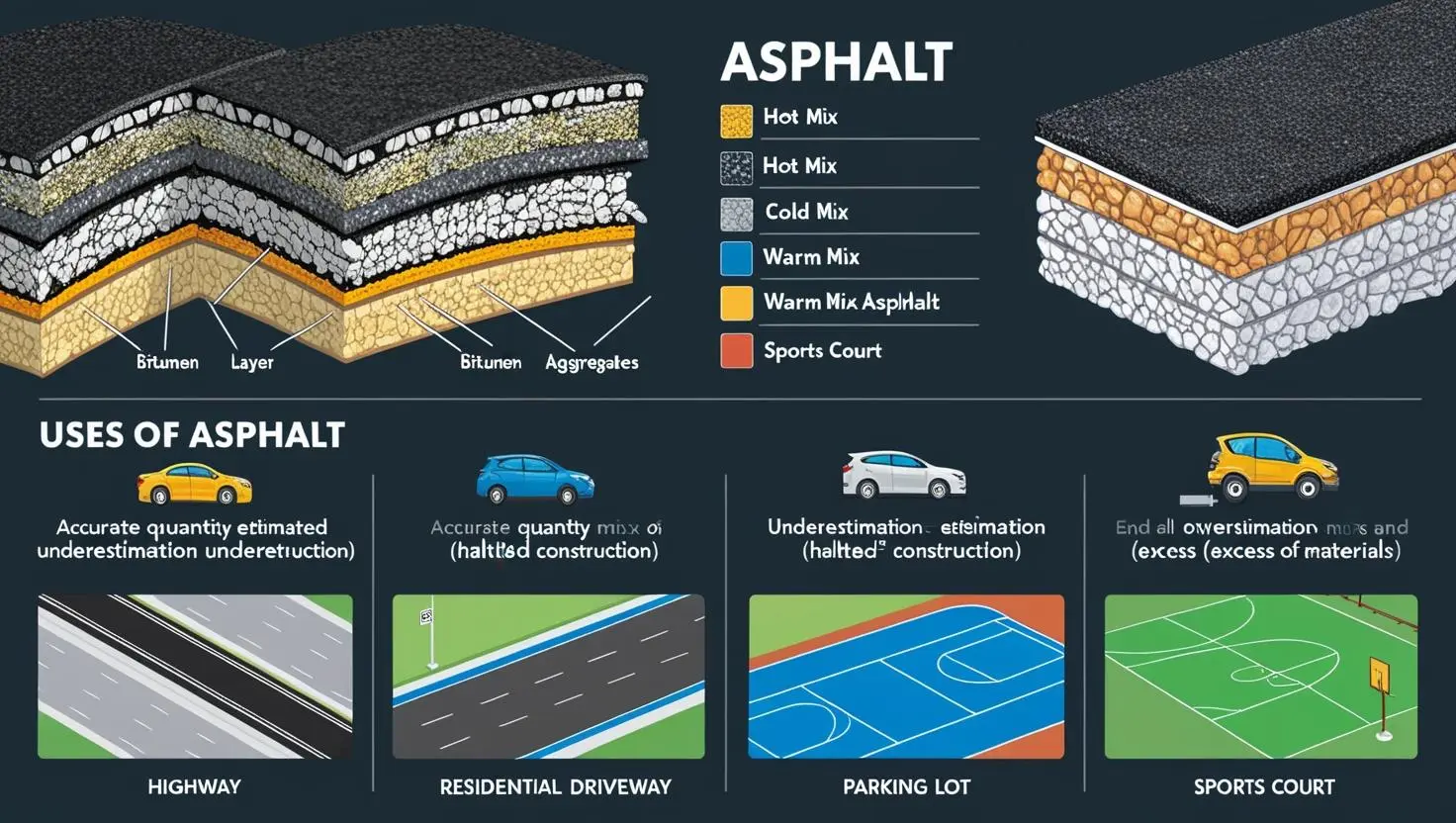 This factor varies but is generally around 0.9 for asphalt. Compaction Factor: Asphalt is typically compacted during installation to enhance durability. The compaction factor accounts for the reduction in volume that occurs when the asphalt is compacted.
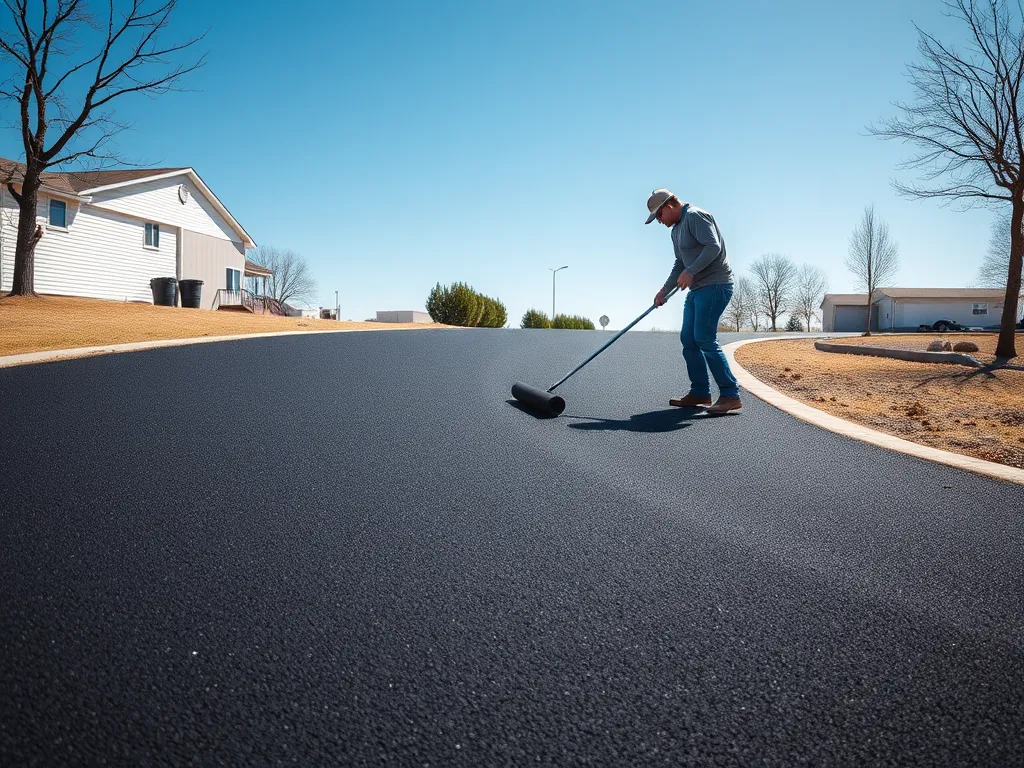 Accurate calculations can prevent over-ordering or under-ordering of materials, both of which can lead to increased costs and project delays. Installing an asphalt driveway is not just about laying down a surface; it involves careful planning and precise measurements. An asphalt driveway calculator helps homeowners and contractors estimate the quantity of asphalt required based on various parameters.
Material Wastage: Overestimating the amount of asphalt required can result in excess material that may go to waste. Cost Overruns: Purchasing more materials than necessary can significantly increase project costs. Quality Issues: Underestimating the amount of asphalt can lead to insufficient coverage, resulting in a subpar surface that may require repairs or replacements sooner than expected.
Visual Aids: Charts and graphs help users understand the breakdown of costs and the impact of different choice Input Fields: Users can enter the size of their driveway, choose the desired thickness, and specify any additional features. Real-Time Calculation: As users input data, the tool provides real-time cost estimates, allowing them to see how changes affect the overall price.
Measure the Area: Start by measuring the length and width of the area you plan to pave. If the area is irregularly shaped, break it down into smaller rectangles or squares and calculate the area of each section.
Adjustment Factors: Additional costs based on driveway thickness, preparation work, and any extra features selected by the use Base Cost per Square Foot: The average cost of materials and labor in the user's region.
Improved Planning: Knowing the exact quantities needed helps in better project planning and resource allocation. Time-Saving: Manual calculations can be time-consuming and prone to errors. Cost Efficiency: By accurately determining the required materials, project managers can avoid unnecessary expenses related to over-ordering or under-ordering asphalt. A calculator streamlines the process, allowing for quicker decision-making. Increased Accuracy: Automated calculations reduce the risk of human error, leading to more precise estimates.
For instance, hot mix asphalt (HMA) is typically more expensive than cold mix asphalt due to the higher production costs and the need for heating during application. Specialty mixes, such as those designed for high-traffic areas or with enhanced durability, can also command higher prices. Type of Asphalt: Different types of asphalt have varying costs.
Thickness of the Asphalt Layer: The thickness of the asphalt layer is another critical factor. The calculator will often prompt users to input the desired thickness. Standard thicknesses range from 2 to 4 inches, depending on the intended use of the driveway (e.g., residential vs.
These can vary based on the complexity of the project, local wage rates, and the type of equipment needed. Labor and Equipment Costs: Beyond the cost of asphalt itself, users must also consider labor and equipment costs associated with installation.
Many calculators will provide standard density values, but it’s essential to use the correct value for your specific mix. Input Data into the Calculator: Enter the area and thickness into the hot mix asphalt calculator, along with the density of the specific asphalt mix being used.
Time Efficiency: Calculators provide quick estimates, saving users time compared to manual calculations. This efficiency is especially valuable in the planning stages of a project, where timely decisions are crucial.
Continuous updates and regional adjustments were necessary to maintain accuracy. User Experience: Some users found the interface overwhelming, particularly those unfamiliar with construction terminology. Data Accuracy: Ensuring that the cost data remained current required ongoing research and collaboration with local contractor Regional Variability: The wide variation in pricing across different regions made it difficult to create a one-size-fits-all estimator. Simplifying the language and providing additional guidance improved user experience.
This data served as the foundation for the calculator's algorithm Research and Data Collection: The team conducted extensive research on existing pavement management practices and gathered data on various asphalt materials, traffic loads, and environmental conditions.
Mix Design Variability: Different asphalt mixes have varying densities. Environmental Factors: Weather conditions can affect the paving process. Adjust your calculations accordingly if necessary. Consider this when determining your initial thickness. Always ensure you are using the correct density for your specific mix design. For instance, extreme heat or cold can impact the asphalt’s performance. Compaction Rates: The level of compaction achieved during the paving process can also affect the final thickness and density of the asphalt layer.
This factor varies but is generally around 0.9 for asphalt. Compaction Factor: Asphalt is typically compacted during installation to enhance durability. The compaction factor accounts for the reduction in volume that occurs when the asphalt is compacted.Accurate calculations can prevent over-ordering or under-ordering of materials, both of which can lead to increased costs and project delays. Installing an asphalt driveway is not just about laying down a surface; it involves careful planning and precise measurements. An asphalt driveway calculator helps homeowners and contractors estimate the quantity of asphalt required based on various parameters.Material Wastage: Overestimating the amount of asphalt required can result in excess material that may go to waste. Cost Overruns: Purchasing more materials than necessary can significantly increase project costs. Quality Issues: Underestimating the amount of asphalt can lead to insufficient coverage, resulting in a subpar surface that may require repairs or replacements sooner than expected.
Visual Aids: Charts and graphs help users understand the breakdown of costs and the impact of different choice Input Fields: Users can enter the size of their driveway, choose the desired thickness, and specify any additional features. Real-Time Calculation: As users input data, the tool provides real-time cost estimates, allowing them to see how changes affect the overall price.
Measure the Area: Start by measuring the length and width of the area you plan to pave. If the area is irregularly shaped, break it down into smaller rectangles or squares and calculate the area of each section.
Adjustment Factors: Additional costs based on driveway thickness, preparation work, and any extra features selected by the use Base Cost per Square Foot: The average cost of materials and labor in the user's region.
Improved Planning: Knowing the exact quantities needed helps in better project planning and resource allocation. Time-Saving: Manual calculations can be time-consuming and prone to errors. Cost Efficiency: By accurately determining the required materials, project managers can avoid unnecessary expenses related to over-ordering or under-ordering asphalt. A calculator streamlines the process, allowing for quicker decision-making. Increased Accuracy: Automated calculations reduce the risk of human error, leading to more precise estimates.
For instance, hot mix asphalt (HMA) is typically more expensive than cold mix asphalt due to the higher production costs and the need for heating during application. Specialty mixes, such as those designed for high-traffic areas or with enhanced durability, can also command higher prices. Type of Asphalt: Different types of asphalt have varying costs.
Thickness of the Asphalt Layer: The thickness of the asphalt layer is another critical factor. The calculator will often prompt users to input the desired thickness. Standard thicknesses range from 2 to 4 inches, depending on the intended use of the driveway (e.g., residential vs.
These can vary based on the complexity of the project, local wage rates, and the type of equipment needed. Labor and Equipment Costs: Beyond the cost of asphalt itself, users must also consider labor and equipment costs associated with installation.
Many calculators will provide standard density values, but it’s essential to use the correct value for your specific mix. Input Data into the Calculator: Enter the area and thickness into the hot mix asphalt calculator, along with the density of the specific asphalt mix being used.
Time Efficiency: Calculators provide quick estimates, saving users time compared to manual calculations. This efficiency is especially valuable in the planning stages of a project, where timely decisions are crucial.
Continuous updates and regional adjustments were necessary to maintain accuracy. User Experience: Some users found the interface overwhelming, particularly those unfamiliar with construction terminology. Data Accuracy: Ensuring that the cost data remained current required ongoing research and collaboration with local contractor Regional Variability: The wide variation in pricing across different regions made it difficult to create a one-size-fits-all estimator. Simplifying the language and providing additional guidance improved user experience.
This data served as the foundation for the calculator's algorithm Research and Data Collection: The team conducted extensive research on existing pavement management practices and gathered data on various asphalt materials, traffic loads, and environmental conditions.
Mix Design Variability: Different asphalt mixes have varying densities. Environmental Factors: Weather conditions can affect the paving process. Adjust your calculations accordingly if necessary. Consider this when determining your initial thickness. Always ensure you are using the correct density for your specific mix design. For instance, extreme heat or cold can impact the asphalt’s performance. Compaction Rates: The level of compaction achieved during the paving process can also affect the final thickness and density of the asphalt layer.
댓글목록 0
등록된 댓글이 없습니다.