
Ten Myths About Storage Containers That Aren't Always The Truth
페이지 정보
작성자 Marguerite 작성일 26-07-14 01:48 조회 2 댓글 0본문
The Versatility of Cargo Storage Containers: An In-Depth Exploration
Cargo storage containers have changed the Dry Storage Containers and transport markets, offering solutions that mix sturdiness, flexibility, and cost-effectiveness. As organizations and individuals increasingly recognize the myriad applications of these containers, the demand for their usage is on the rise. This article intends to offer an informative evaluation of cargo storage containers, highlighting their functions, applications, and key considerations for use.
What are Cargo Storage Containers?
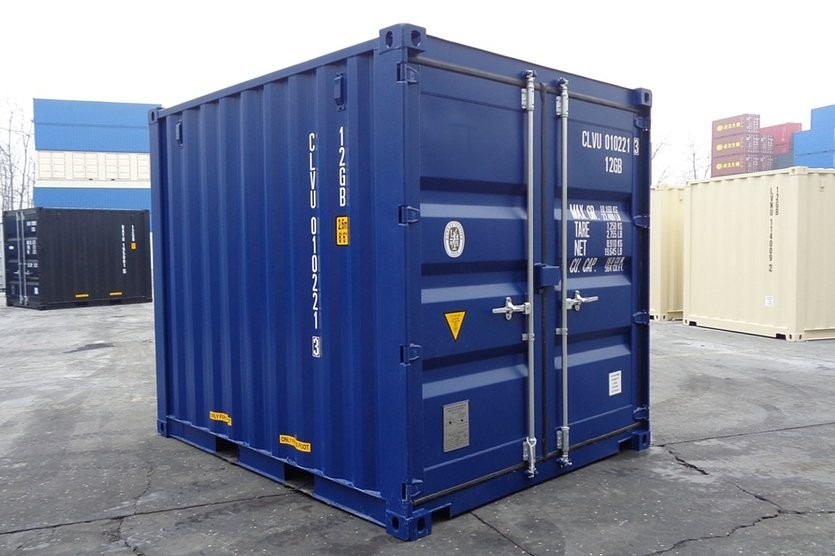
Cargo storage containers, typically referred to as shipping containers, are robust metal boxes designed to transport and save items. Typically made from corten steel, these containers are constructed to endure harsh weather, withstand deterioration, and supply a safe environment for a range of products. They come in several sizes, with the most common being 20-foot and 40-foot containers, though other dimensions are offered.
Secret Features of Cargo Storage Containers
| Function | Description |
|---|---|
| Toughness | Made from weather-resistant steel that can endure severe temperature levels and deterioration. |
| Security | Geared up with durable locks, using robust security against theft and vandalism. |
| Portability | Designed for simple transport by truck, train, or ship, permitting global availability. |
| Adaptability | Usable for different applications including storage, transport, and even as short-term structures. |
| Cost-Effectiveness | Usually more economical than traditional storage solutions, specifically for long-lasting usage. |
Applications of Cargo Storage Containers
Cargo storage containers are not just for shipping products internationally; their applications are huge and varied. Here are a few of the most common uses:
Shipping and Logistics:
- Cargo containers are primarily used in international Shipping Container Housing for transporting items around the world.
On-Site Storage:
- Construction sites, retail locations, and farms use storage containers for safe, on-site storage of tools and products.
Temporary Housing:
- With rising housing expenses, many people and organizations are repurposing containers into homes or office spaces.
Occasion Storage:
- Containers function as storage solutions for events, allowing organizers to shop equipment, products, and merchandise firmly.
Mobile Retail Spaces:
- Innovative business owners use converted containers as pop-up stores or food trucks, capitalizing on mobility and unique aesthetics.
Catastrophe Relief:
- In emergency scenarios, containers can be released as short-term shelters or mobile storage units for supplies.
Benefits of Using Cargo Storage Containers
| Advantage | Description |
|---|---|
| Weather Resistance | Secures contents from rain, snow, and sun exposure. |
| Cost Savings | Lower initial purchase and upkeep expenses compared to standard buildings. |
| Flexibility | Quickly modified to match specific needs, such as adding windows, doors, or insulation. |
| Mobility | Can be transferred to various websites as needed. |
| Eco-Friendly Options | Many containers are recycled, promoting sustainability through recycling. |
Factors To Consider When Using Cargo Storage Containers
While cargo storage containers offer lots of benefits, there are a number of elements to consider when utilizing them:
Zoning Laws and Local Regulations:
- Check local laws relating to the positioning and usage of storage containers, as guidelines may vary extensively.
Upkeep Requirements:
- Regular assessments for rust, wear, and tear can extend the container's life, guaranteeing its effectiveness gradually.
Size and Accessibility:
- Assess the area where the container will be positioned to guarantee it fits which gain access to for delivery is not obstructed.
Insulation:
- For certain usages, especially as living spaces, insulation might be required to control temperature and improve comfort.
Modification Needs:
- Determine if modifications are necessary for particular purposes and strategy accordingly to avoid unanticipated costs.
Often Asked Questions (FAQ)
1. How much does a cargo storage container cost?
The cost of a cargo storage container can differ widely based upon size, condition, and area, typically varying from ₤ 1,500 to ₤ 5,000 for used containers. New containers can cost upwards of ₤ 3,000 to ₤ 7,000.
2. Can cargo storage containers be modified?
Yes, cargo containers can be easily modified. Popular modifications include adding windows, doors, ventilation systems, and insulation to accommodate various usages.
3. How do I ensure my cargo container is safe and secure?
To make sure security, use heavy-duty locks, consider installing alarm systems, and pick a location that is well-lit and kept an eye on.
4. Are cargo storage containers weatherproof?
Yes, cargo containers are designed to be weather-resistant. However, regular upkeep is important to keep them in good condition.

5. Can cargo storage containers be transported?
Definitely! Cargo containers can be moved via trucks, ships, or cranes, making them versatile for different logistical needs.
Cargo storage containers are a useful solution for a comprehensive series of storage and transportation challenges. Their durability, price, and flexibility make them an appealing option for businesses and individuals alike. As the demand for alternative storage solutions continues to grow, cargo containers are most likely to stay at the leading edge of innovative analytical in the logistics and construction sectors. Whether for Refrigerated Shipping Containers, storage, and even innovative home, cargo storage containers prove to be an important resource in today's busy world.
댓글목록 0
등록된 댓글이 없습니다.